Twenty Quid, One Saturday, No Topping Up: Our Rules for a Brilliant Cheap Day Out
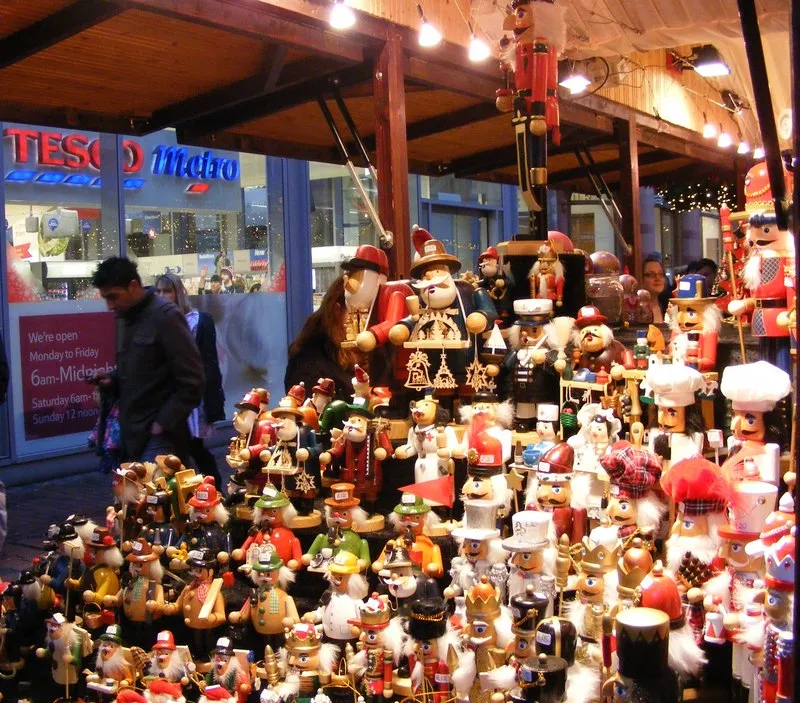
Photo: Gordon Griffiths , CC BY-SA 2.0, via Wikimedia Commons
There is a moment, about a mile into a walk, when one of us will say the sentence that has come to define our weekends: "How much have we spent?" And the answer, if the game is going well, is about four pounds.
The Twenty Quid Saturday started as a joke in a month when the boiler had eaten the fun budget. It has since become our favourite thing. Not because we cannot spend money — we can, sometimes, on holidays and birthdays — but because the constraint does something useful to the imagination. It turns a weekend from a rolling series of small purchases into a small, handmade adventure with a plot.
The rules of the game
We are not strict about much in life, but we are strict about this.
One: cash out, once. Each of us takes out twenty pounds at the start. That's it. No card, or at least no card for anything other than emergencies (a bus we didn't plan for, a chemists, a parking meter that only takes coins and has developed opinions). Physically handing over notes slows you down in a way that tapping never will.
Two: transport does not come out of the twenty. It's cheating to blow the lot on a train and call it a day out. Keep journeys cheap and simple: capped bus fares, a walk from home, a car share where the driver is someone who enjoys driving anyway. Check your local bus operator's website before you go — every region does it differently and the prices change with the seasons.
Three: one paid thing, maximum. Not one paid thing each. One for the pair of you, total, or one each if it's small. A castle, a small museum, a gallery, a boat, an ice cream at the exact right moment. Choose it deliberately, like a pudding.
Four: the flask is not a punishment. It is the whole point. Coffee from a flask at a view beats coffee from a queue at a kiosk every single time, and I will fight anyone who says otherwise. Take a proper cup too, not the plastic one you keep in the glovebox since March.
Five: free is not the same as worth less. Our best finds this year cost nothing at all: a parkrun in a city we'd only ever driven through, a museum's pinball floor that is free to enter and hard to leave, a community garden behind a church where someone had left a hand-painted sign saying PLEASE TRY THE APPLES.
Six: the souvenir rule. If you want to remember it, you get three pounds. A postcard, a secondhand paperback, a magazine from a charity shop, a bag of something from the market. Three pounds is enough for a memory and not enough for a bad decision.
Seven: no topping up. The oldest rule and the hardest. If the twenty is gone, the day becomes a walk and a sit. Which is honestly fine and sometimes better.
A Saturday that costs about fifteen pounds
Here is the shape of it, with numbers, because numbers are the thing people actually want.
Market breakfast — about £6 each. Not a café with a menu and a laminated card of allergens, lovely as those are. The market. The stall with the fryer and the queue of people who all seem to know each other. Bacon roll, tea, done. Sit outside if you can, on the sort of plastic chair that has never been level in its life.
The free thing — £0, plus a voluntary donation of £2. Every region has council-run museums, small galleries, cathedrals, parks with a bandstand and a frankly over-ambitious boating lake. Go in. Sign the visitors' book. Put two pounds in the donations box if you can, because these places are the last publicly funded good time and they are not exactly rolling in it.
The walk with a purpose — £0. Not just any walk. Give it a destination: a hill, a bridge, a strange monument, a church with a funny carving on the outside. We have a running list of things described in guidebooks as 'of interest to the antiquarian'. They are always better than they sound.
The bus ride — about £4 return each. Twenty minutes on a bus in an unfamiliar direction is the cheapest sightseeing in Britain. Sit upstairs. Look at back gardens. Get off at the end of the line and see what's there — usually a bench, a post box and a view.
Something from a community garden or an honesty box — £2. Near us there is a shed with a tin and a sign saying tomatoes, 50p. It is the single most satisfying way to spend 50p that exists in this country.
Cake, split — £3.50. You'll pass a tea room. You will. Split a slice. Sit down for twenty minutes. This is the bit that makes it a day out rather than a route march.
Total, near enough: fifteen pounds each, a bit of change in your pocket, and the whole of the afternoon still ahead of you.
What changes with the season
The bones of the game don't move, but the furniture does.
In the colder months we lean hard into indoor freebies — the museum, the library, a cathedral with good heating and better echoes. The flask becomes hot chocolate and the walk gets shorter and more purposeful. We are also not above a garden centre, where you can spend an hour looking at expensive sheds and buy nothing at all.
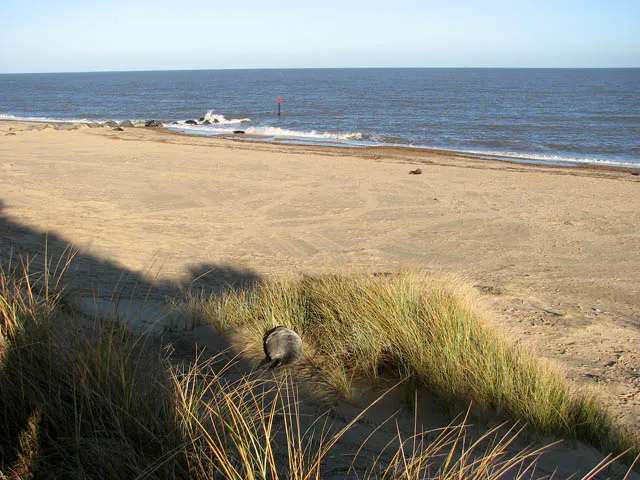
In summer it flips entirely. Coastal bus, beach, a bag of cherries from a greengrocer, and the twenty goes further than at any other time of year. Take a blanket that is not precious and a book you have already read.
Why it works
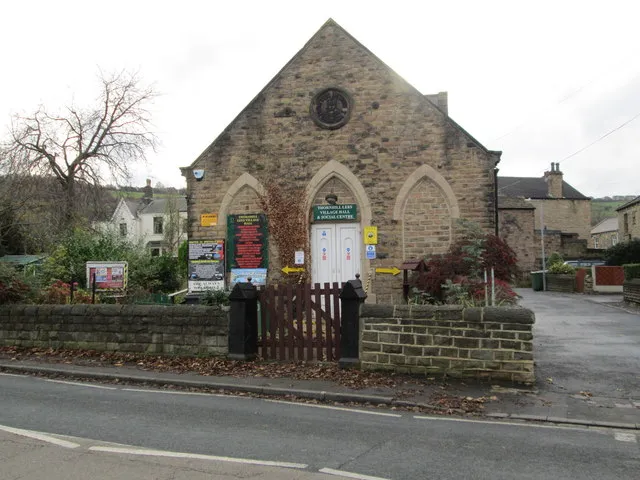
Here is the honest bit. When we had more money to spend on weekends, we spent it on the same four things, more often. The budget forced us into a wider world: village halls, towpaths, strange little museums with one room and a very committed volunteer.
The twenty pounds is not a punishment, it's a filter. It quietly removes the boring options and leaves the interesting ones standing there, looking a bit surprised to have been chosen.
And there is something quietly lovely about the end of one of these Saturdays, when you empty your pockets onto the kitchen table and count out what's left. Six pounds, a receipt, a conker, and a slightly damp postcard of a bridge of interest to the antiquarian.
Good day, that. Would do it again next week.