Ladle, Flask, Repeat: The Sunday Soup Club That Started With One Pot and Four Nervous Doorsteps
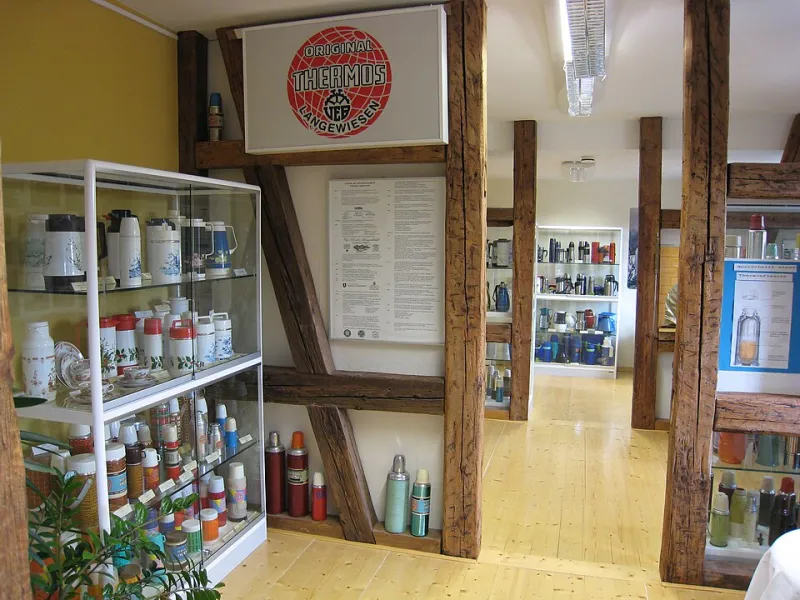
Photo: Giorno2, CC BY-SA 3.0, via Wikimedia Commons
There is a particular sort of Sunday afternoon in November when the light goes grey at about half three and the whole street seems to pull its curtains a little closer. Last winter, that was the hour we decided to make soup. Not for a dinner party, not for a crowd, just one pot and a vague idea that we could probably share it without turning our kitchen into a hospitality operation.
What started as a slightly nervous experiment became the Sunday Soup Circuit: one pot, four doorsteps, and a rotating drop that carried us through the coldest stretch of the year. It was not a club in any formal sense. There were no minutes, no WhatsApp group with a pinned constitution, and certainly no matching aprons. It was just a ladle, a few flasks and a reason to knock on doors we had previously only waved at from behind the wheelie bin.
The first Sunday, and the awkward bit
The first pot was a leek and potato situation. Holly made enough for what she calmly described as "a few" and what Joe later measured as "enough to fill a small paddling pool". We had four flasks lined up on the counter like a slightly ridiculous relay team, and a list of four houses written on the back of an envelope.
The awkwardness was immediate and entirely self-inflicted. Do you text first? Do you knock? Do you stand there holding a Thermos like a person delivering a very savoury award? We settled on a text as we set off, which read: "Making soup. Passing by in ten. No need to chat, but lid is warm." It was perhaps the least poetic message ever sent, but it worked.
The first doorstep was Mrs Patel at number 14, who opened the door in her gardening fleece, looked at the flask and said, "Is this a scam?" Fair question. The second was Barry, who took his soup, looked slightly baffled, and then shouted after us, "Do I return the flask or is it a hostage situation?" By the fourth door, we had stopped explaining and started simply saying, "Soup. Back next week. Enjoy." That, it turned out, was all the script anyone needed.
The tiny rules that made it stick
The circuit only survived because we kept it small and slightly rigid. Not rigid in a joyless way, more like a recipe that stops you from accidentally boiling the whole street.
The first rule was one pot, four flasks. No sides, no bread obligations, no pudding. If someone wanted to add a cheese toastie, they could, but it was never expected. The second was that you only knock if you have already texted. Nobody wants to be caught mid-nap or mid-argument by a stranger with a ladle. The third was that the drop should take under half an hour. We were not hosting a salon. We were delivering soup.
The fourth rule was the flask amnesty. Every Sunday, you take back whatever empties have accumulated and swap them for full ones. It sounds administrative, but it became one of the nicest bits: a small clink of metal on the doorstep, a quick "how was it?", and the sense that the week had a shape. The fifth rule was no apologies. If you burned the onions or over-salted the broth, you still delivered it. The point was the circuit, not the Michelin star.
What actually went in the pot
We cycled through the obvious winter favourites: leek and potato, carrot and coriander, a smoky lentil number that Joe still claims was "accidentally excellent", and a chicken and barley soup that made the whole house smell like a grandparents' kitchen. The only real failure was a beetroot experiment that turned everything, including the flasks, a vivid shade of pink. Mrs Patel said it tasted fine but looked like a crime scene. She was not wrong.
The beauty of soup is that it is forgiving. You can make it with a bag of sad carrots, a tin of tomatoes and whatever herbs are still clinging on in the garden. It scales up without much extra effort, and it travels well. More importantly, it does not demand a tablecloth or a coordinated cutlery situation. A flask of soup says, "I thought of you, but I am not asking you to host me." That is a very specific and useful kind of kindness.
Why a flask beats a dinner party
We are not anti-dinner party. We are pro-low-stakes. A dinner party requires a date, a clean bathroom and at least three conversations' worth of energy. A soup drop requires a text and a clean-ish flask. It fits around football fixtures, shift work, poorly children and the general Sunday slump.
It also made us notice our street in a way we had not before. We learned which doorstep catches the wind, which one has a cat that tries to escape, and which neighbour is always in the garage at 2pm on a Sunday. We learned that Barry has a thing about lentils and that Mrs Patel makes her own chilli oil, which she started leaving out for us in a tiny jam jar. The circuit became a small, edible map of the people around us.
The doorstep handover
By January, the routine had settled. Holly would start the pot at eleven, Joe would do the first two drops at half twelve, and we would split the second two between us later. The handover was rarely more than a minute: a flask passed over, a bit of weather chat, a "see you next week". Occasionally it stretched into ten minutes if someone had news, but nobody felt obliged to make it happen.
That was the trick, really. The soup gave us permission to turn up without a reason. It was not a crisis, not a birthday, not a neighbourhood watch meeting. It was just Sunday, and there was soup. The most unexpectedly social habit of the winter was also the least demanding one.
What we would change next time
Not much, though we would probably buy two more flasks and label them, because the amnesty got chaotic by February. We would also start a fortnightly text rather than a weekly one, just to keep it from feeling like a rota. And we would never, under any circumstances, attempt beetroot again.
If you are thinking of trying a soup circuit on your own street, start with two doorsteps, not four. Pick a time that suits the most housebound person you know, keep the rules tiny, and do not worry if the first week is awkward. Ours was. Mrs Patel thought we were selling something. Barry thought we were mad. By the end of February, they were both asking what was in the pot this week.
The winter still felt cold and grey and long, but it also felt warmer. One pot, four doorsteps, and a small excuse to knock. That was all it took.