Getting Off at the Last Stop: Three Bus Rides That Turned Into Proper Days Out
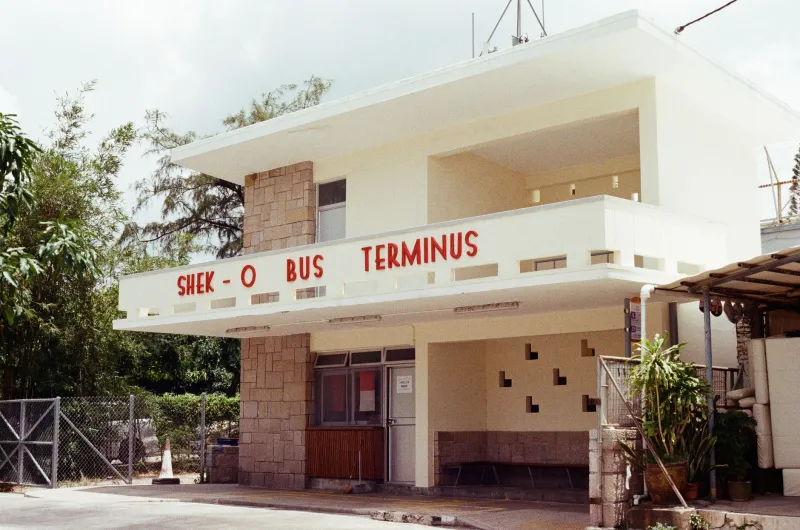
By mid-November, the light has that low, silvery look and the temptation is to hibernate until the fairy lights go up. We decided to do the opposite, but gently. No long drive, no booked table, no heroic walk. Just three Saturdays, three local buses, and a rule that we would stay on until the driver said the route was done.
It started because Holly noticed a day ticket was cheaper than a fancy coffee and a bun. That felt like a challenge. We would ride to the terminus, get off, have a look round, and come home. No agenda beyond that. What we found was not glamorous. It was better than glamorous, in the way that ordinary places often are when you give them your full attention.
The first Saturday: a parade of shops and a noticeboard
The number 14 ended at a small turning circle beside a row of shops: a convenience store, a nail bar, a chippy with its shutters half up, and a launderette that looked as if it had been there since the invention of the twin tub. We stepped off with about six other people, all of whom immediately knew where they were going. We did not.
So we did the only sensible thing and read the noticeboard. It was a masterpiece of local life: a pilates class in the church hall, a missing cat called Bernard, a request for jam jars, and a handwritten advert for somebody who would 'sort your gutters, no nonsense'. We stood there for ten minutes. Holly said it was the most useful piece of social media she had read all year.
We bought two teas from the cafe attached to the convenience store and sat on a bench near the bus stop. Nobody hurried us. A man in a fleece swept the pavement. The bus driver came back from his break with a sausage roll and nodded at us as if we were regulars. It was not a day out in the guidebook sense. It was a day out in the sense that we had gone somewhere and properly arrived.
The second Saturday: a garden centre, a church and a flask
The number 6 ended near a garden centre on the edge of a village. This felt like cheating, because garden centres are already a known pleasure. But the terminus was actually a lay-by opposite a footpath, and the footpath led to a church with a leaning gate and a yew tree so old it had its own metal prop.
We had the flask with us by then, because we had learned a few things. We sat on a low wall, drank tea, and watched a man load a small Christmas tree into the back of a hatchback. It was not yet December, but the garden centre had made its decision, and who were we to argue.
The walk took forty minutes, including a detour to look at a pond behind a fence. There was a sign saying 'No public access' but also a bench facing the pond, which felt like a very British compromise. We ate the biscuits we had brought and agreed that this was the whole point: not the destination, not even the journey, but the bit in between where you have nothing to do except notice things.
The third Saturday: the least glamorous end of the line
The number 22 ended at a retail park. This is not the stuff of holiday brochures. There was a large car park, a homeware shop, a pharmacy and a bus shelter with a laminated timetable that had been updated with a biro. We almost stayed on the bus for the return journey. But we had made a rule, so we got off.
And it was brilliant. Behind the retail park was a canal towpath we would never have found otherwise. A man was painting his narrowboat a deep green. A heron stood on one leg as if it had been paid to pose. We walked for half an hour, found a bench, and finished the flask. Holly said it was the most peaceful Saturday afternoon she had had in months, and we were ten minutes from a B&M.
That is the strange gift of the terminus. It strips away the pressure to be somewhere impressive. You are not in a city centre with a list of things to see. You are at the end of a route, where the bus turns around and the driver has a break. The place has to be itself.
A small field guide to the end of the line
If you fancy trying this yourself, here is what we learned. Pick a route that is local but unfamiliar: the one that goes past the retail park, or the one you have never had a reason to take. Buy a day ticket each. Aim for mid-morning, after the school run but before the lunchtime rush, and check the last bus back before you get too comfortable. We also took a screenshot of the timetable, because signal at a terminus can be patchy.
Pack a flask, a couple of biscuits, a charged phone and a folded five-pound note for the cafe that only takes cash. Wear a layer you can take off, because buses are either tropical or arctic. And give yourself permission to do very little. The best bits were the noticeboard, the bench, the canal path and the sausage roll. None of them were planned.
Why the last stop is worth it
We are not suggesting every terminus is a hidden gem. Some are just a loop beside a roundabout. But even those tell you something: where a town ends, who waits there, what shops survive, which footpaths lead away. The bus is not just a way of getting somewhere. It is a way of letting somewhere happen to you.
Three Saturdays, three day tickets, and we came home with nothing to show for it except a few photos of a heron and a renewed fondness for our own bit of the world. That feels like a fair exchange. Next time the weekend looks grey and aimless, we will be checking the timetable again. The end of the line is calling, and it is cheaper than a cinema ticket.