The Gravy Standard: A Season of Sunday Pub Lunches, Scored Honestly
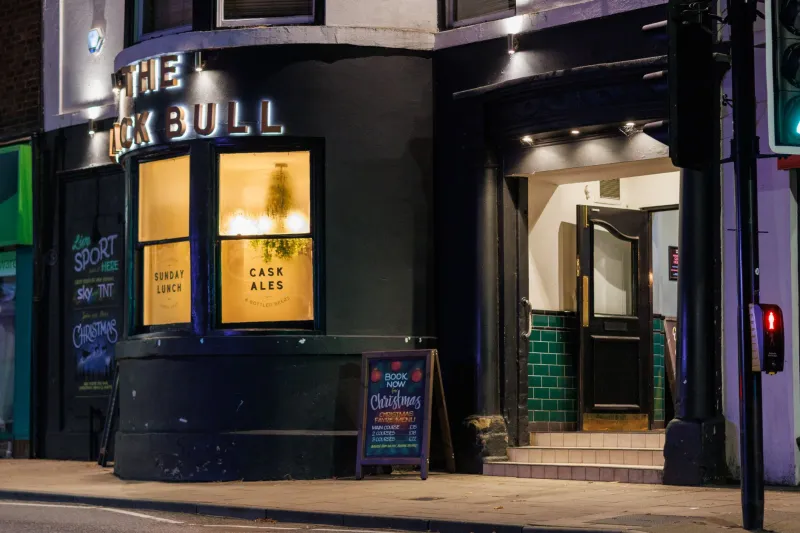
There is a notebook in our glovebox that smells faintly of gravy. It contains twelve Sunday lunches, four categories and one increasingly strongly held opinion: the cheapest carvery in town is almost never the best value. It is not that we are snobs about a ten-pound roast. It is that value is not the same as price. A cheap lunch where nobody says hello, the gravy is wallpaper paste and there is exactly one napkin between four people is not actually cheap. It is just expensive in a different way.
We started the ledger in early autumn, when the evenings began to close in and Sunday started to feel like a day for sitting down properly. We have changed the pub names here, because this is not a name-and-shame operation. It is a record of what we learned.
How We Scored
Each pub got a mark out of ten for gravy, crackling, welcome and the all-important napkin situation. That is forty points in total, though we occasionally awarded bonus points for a proper jug, extra Yorkshire puddings and a landlord who noticed us without making us feel like a nuisance.
Gravy was judged on flavour, generosity and whether it arrived before the plate went cold. Crackling had to crackle, not fight back. Welcome meant being acknowledged within a reasonable time, not hovered over. Napkins were not about linen; they were about whether the pub had thought about the person eating a roast dinner in a nice-ish jumper. A stack of paper napkins can score just as well as cloth if it is there when you need it.
We did not deduct points for worn carpets, mismatched chairs or a dog under the table. In fact, some of those things helped.
The Cheapest Lunch Was Not the Winner
The lowest-priced carvery came in at just under a tenner. It looked like tremendous value on the board. In reality, we queued for twenty minutes, got two slices of meat that had clearly been waiting longer than we had, and were handed a thimble of gravy. The crackling was soft. The napkins were a rumour. We left full but slightly sad, which is not the goal of a Sunday roast.
The most expensive lunch was a shade under twenty pounds and did a lot right. The beef was excellent, the crackling was properly dangerous, and the gravy came in a jug. But the welcome was frosty, the table was sticky, and when we asked for extra napkins we were made to feel like we had requested a small loan. It scored well, but not top.
The winner was a mid-priced pub with no pretensions and a fire that was almost too hot. The gravy arrived in a jug without being asked. The crackling was fresh enough to be worth the noise. Someone said hello when we walked in and meant it. There was a proper stack of napkins on the table, and when Joe dropped a roast potato, nobody made a thing of it. That is hospitality.
The Gravy Test
Gravy is the tell. Good gravy tastes of meat and time, not just salt and browning. It should coat the back of a spoon and slightly threaten the Yorkshire pudding. It should not wobble like a stress ball or sit in a congealed puddle before the plate reaches the table.
A jug on the table is a small act of trust. It says: help yourself, we have made enough, you are not a problem. Gravy poured at the pass can work if it is generous and hot, but a stingy pour is a bad start. We began to judge pubs by whether we had to ask twice. Asking once is fine. Asking twice is a warning sign.
The Crackling Question
Crackling should shatter. If it bends, it is not crackling; it is pork-themed leather. We had one plate where the crackling was so good that the table went quiet for a moment. We had another where it was clearly pre-packed and had the texture of a dry autumn leaf. The difference was not the price of the lunch. It was whether someone in the kitchen had decided it mattered.
The Napkin Situation
We did not expect this to become the most revealing category. It did. A pub that gives you one thin napkin for a roast dinner is a pub that has not thought the whole thing through. A pub that leaves a stack, or brings extra without being asked, is a pub that understands that gravy is a contact sport.
This is not about fancy presentation. It is about small evidence of care. The same goes for a sharp knife, a hot plate and a chair that does not wobble. None of these things are glamorous. All of them make you feel looked after.
What Twelve Sundays Taught Us
The best Sunday lunch is not a bargain or a blowout. It is a handshake. It is the feeling that you have been expected, even if you only booked an hour before. It is gravy in a jug, crackling that makes a noise and enough napkins to deal with the consequences.
The cheapest carvery rarely wins because value is not just what you pay at the till. It is what you get for the whole hour: the welcome, the warmth, the second jug, the spare napkin, the sense that nobody minds if you sit a bit longer than the table allows. That is what we will be looking for next Sunday, notebook in the glovebox, appetite intact.